
How AI interpretation workswhen the event is live.
Written for event organisers, production crews and international business teams, these guides explain how audio enters the workflow, where captions and translated voice are delivered, and what must be confirmed before a live project begins.
Thirteen field guides.From choosing a setup to running it live.
Each guide answers a distinct procurement or implementation question with use cases, interfaces, preparation, operational risks and a practical next step.
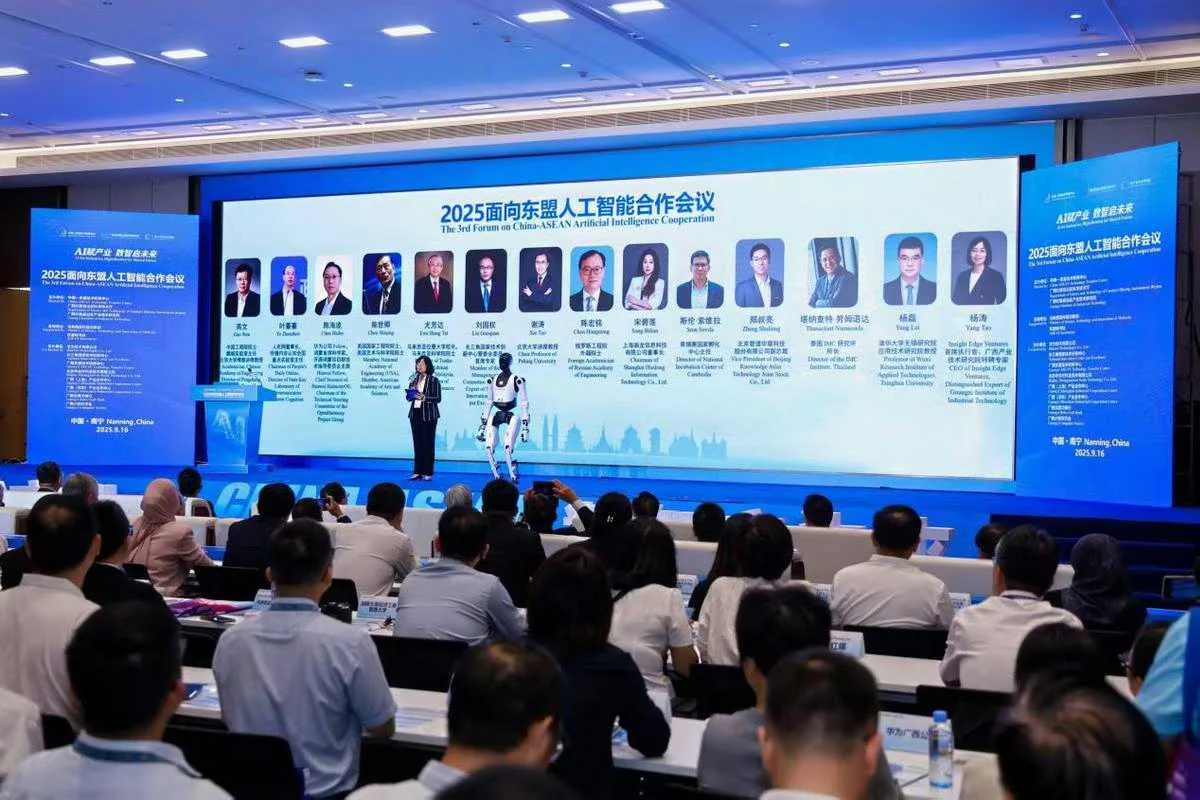 GUIDE 01 / LIVE EVENT
How live translated captions reach venue screens, broadcasts and audience devices
A complete planning guide to production audio, terminology, caption correction, clean broadcast output, mobile access and rehearsal.
Read the event caption guide GUIDE 02 / REMOTE CALL
How multilingual video calls provide shared translated captions
Understand call initiation, browser joining, language-pair routing, shared captions and when a managed event remains the better choice.
Read the multilingual call guide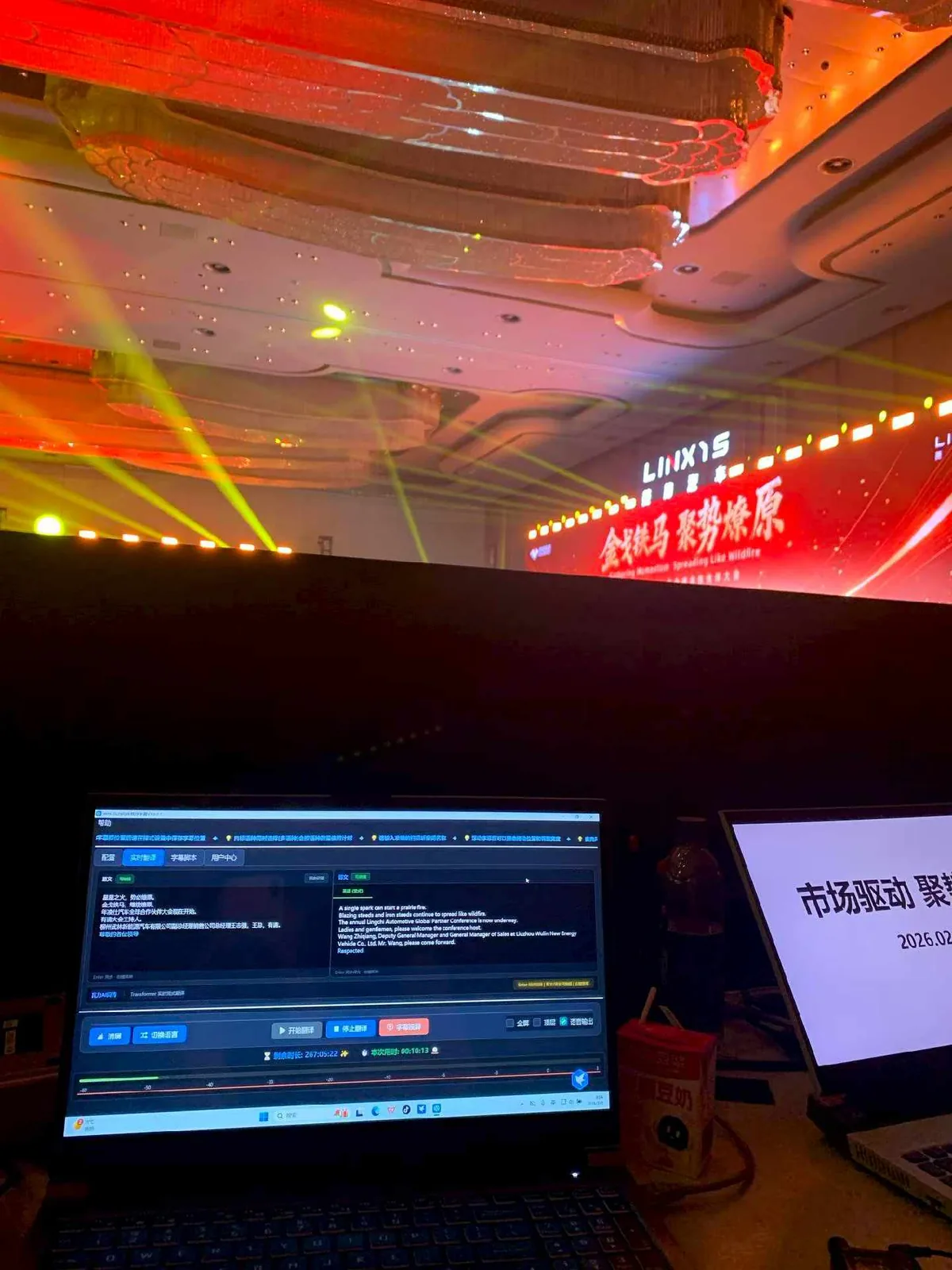 GUIDE 03 / CONTENT
How AI voice and TTS fit multilingual content production
Plan scripts, terminology, voice selection, captions, review and export formats for training, branded media and knowledge narration.
Read the AI voice guide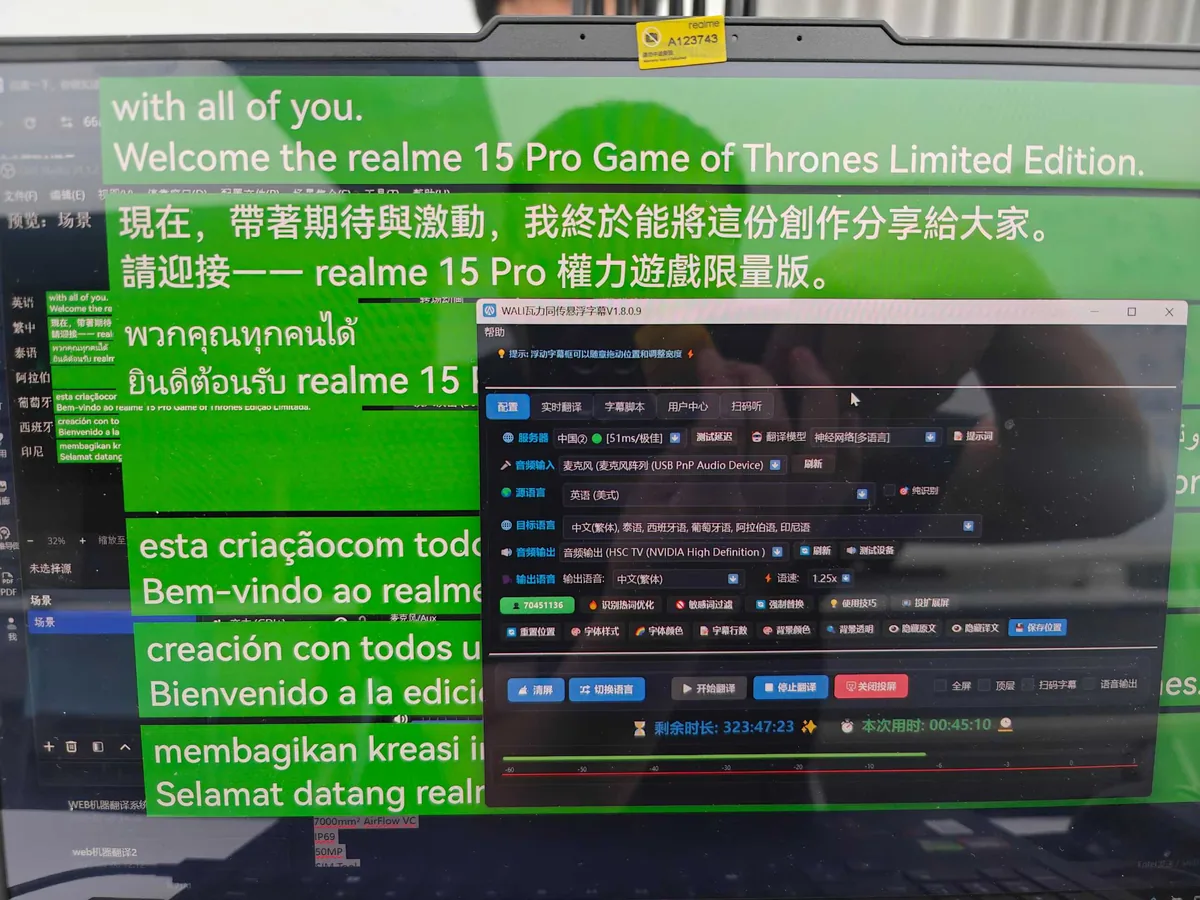 GUIDE 04 / BROADCAST
Route clean captions into OBS, vMix and production switchers
Separate audio, operator controls, clean output and program graphics in a rehearsable live workflow.
Read the production guideGUIDE 05 / AUDIENCEDesign multilingual audience captions and AI translated audio
Plan QR access, language choices, headsets, mobile browsers, venue networks and attendee support.
Read the audience guide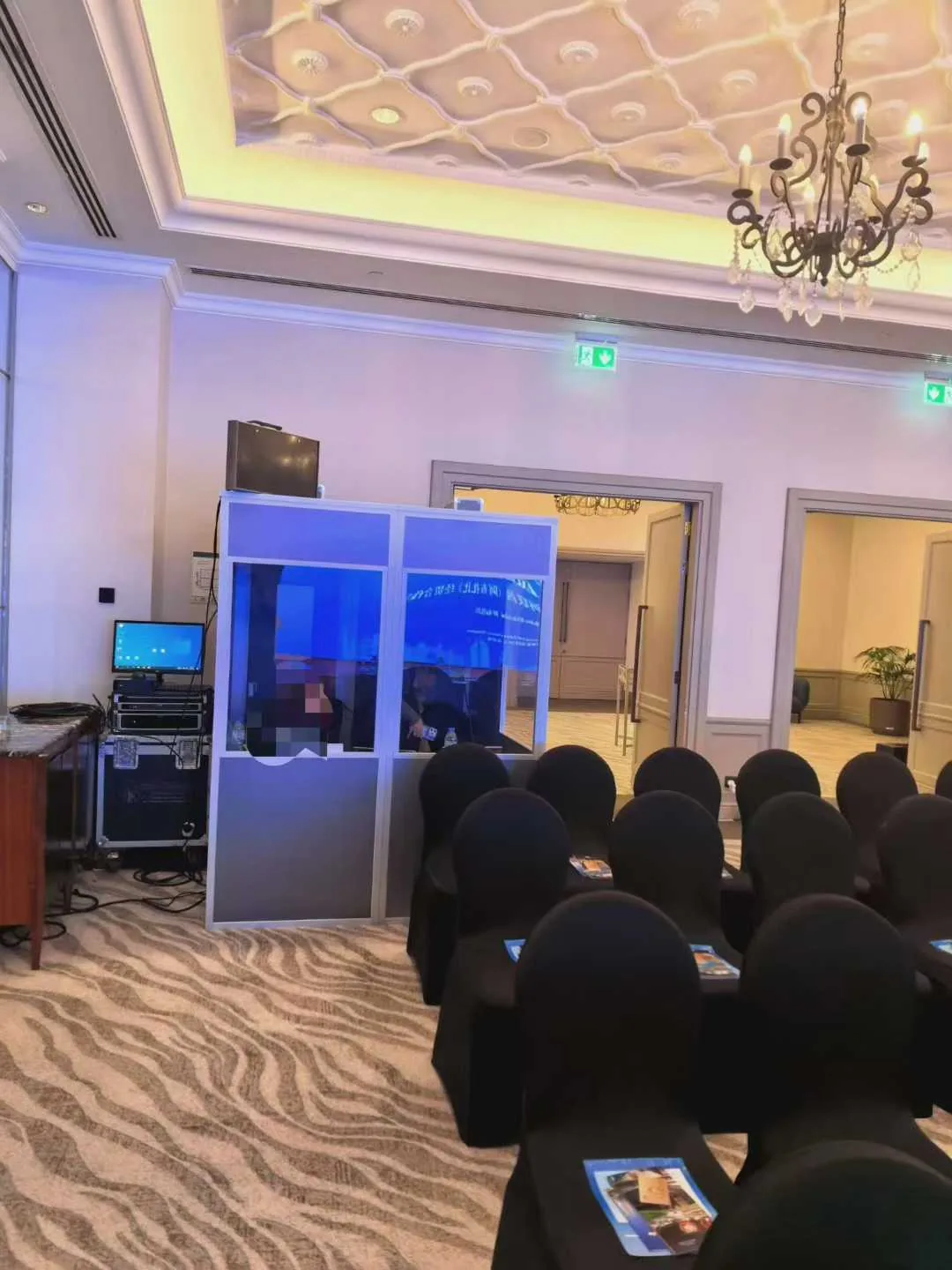 GUIDE 06 / TERMINAL
Where dual-screen translators fit in reception and service
Choose by communication pattern, audio environment, languages, privacy, device management and customization.
Read the selection guideGUIDE 07 / TERMINOLOGYImprove live translation quality with industry terminology
Build an actionable quality workflow from audio and recognition terms to domain context, approved translations, replacements and human acceptance.
Read the quality and terminology guideGUIDE 08 / LOCALIZATIONTranscription, translation, subtitles and AI voice workflow
Build SRT, burned-in video, AI voice and localized masters from one approved transcript and timeline.
Read the media workflow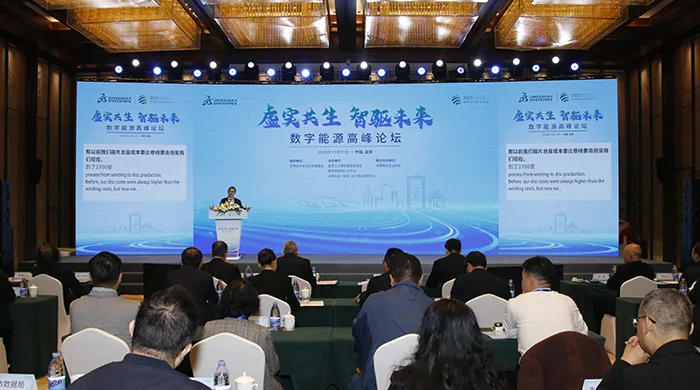 GUIDE 09 / ASR TECHNOLOGY
How event ASR handles production audio, terminology and caption latency
Follow the path from mixer audio and language routing to interim revisions and stable production captions.
Read the real-time ASR guideGUIDE 10 / WEBRTCHow WebRTC connects live media and authoritative translated captions
Understand HTTPS permission, ICE/STUN/TURN, shared caption producers, language routing and cross-network fault isolation.
Read the WebRTC architecture guideGUIDE 11 / CAPTION FORMATChoose SRT, WebVTT or an OBS clean caption source
Separate live compositing, web-player tracks, post-production files and burned-in masters before production begins.
Read the caption output guideGUIDE 12 / CLOUD NOTESBuild speaker-aware AI meeting transcripts and formal records
Audio capture, interim deduplication, speaker naming, terminology, all-day persistence, formal drafts, minutes and DOCX.
Read the meeting transcription guideGUIDE 13 / SSMLControl emotion, pace and pauses while keeping one AI voice consistent
Paragraph emotion, safe tags, long-form chunking, preview versions and listening checks that prevent voice discontinuity.
Read the SSML direction guide